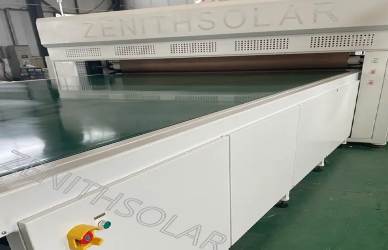
In the production of solar panels, the laminating process plays a pivotal role in ensuring the durability and efficiency of the final product. A solar module laminator is an essential piece of equipment used to encapsulate solar cells between layers of protective material, which enhances their performance and longevity. This process involves applying heat and pressure, making it crucial to choose the right laminator to match your factory's specific needs. The quality and consistency of the laminating process directly impact the solar panel’s ability to withstand environmental stressors, such as temperature fluctuations and mechanical pressure. As the demand for solar energy continues to grow, understanding the critical factors when purchasing a solar module laminator can help ensure your factory remains competitive, efficient, and cost-effective in meeting high production standards.
Laminator Type: Automated vs. Manual
1.Automated Laminators: Features, Benefits, and Suitable Factory Sizes
Automated solar module laminators are designed for high-volume production, offering advanced features that streamline the laminating process. These laminators come equipped with precise temperature control systems, automatic loading and unloading mechanisms, and programmable settings for consistency across production runs. The primary benefit of automated laminators is their ability to operate continuously with minimal manual intervention, making them ideal for large factories that need to produce a high volume of solar panels. Automated systems are typically faster, more efficient, and capable of handling complex panel designs, providing consistent results and reducing human error. They are best suited for medium to large-scale factories with a high production demand, where maximizing throughput and minimizing labor costs are essential.
2.Manual Laminators: When to Choose Them, Cost-Efficiency, and Production Flexibility
Manual laminators, on the other hand, are often used in smaller factories or workshops with limited production volume. These laminators require manual loading and unloading of solar panels and typically offer less automation in terms of temperature and pressure control. While they may not match the speed and efficiency of automated systems, manual laminators are more affordable, making them a cost-effective option for startups or companies with lower production demands. The flexibility of manual laminators allows for greater customization, as operators can adjust settings to suit specific panel types or small batch production. However, this flexibility comes at the cost of increased labor and potential for human error, which can affect consistency in large-scale operations.
Laminator Size and Capacity
1.Importance of Choosing the Right Size Based on Factory Needs
Choosing the right size laminator is crucial to ensuring that it aligns with your factory’s production requirements. The size of the laminator should be compatible with the physical dimensions of the solar panels you plan to produce, as well as the available space within your factory. A laminator that is too small may not accommodate larger panels, while one that is too large may waste energy and space in your facility. Ensuring that the laminator is sized appropriately helps maximize both production efficiency and space utilization, ultimately affecting the overall cost-effectiveness of your factory operations.
2.Capacity Considerations: Production Volume and Panel Size Compatibility
Capacity is another key consideration when selecting a laminator. The laminator’s capacity must match the expected production volume and panel sizes to maintain an optimal workflow. High-capacity laminators are necessary for factories that aim to meet high-demand production schedules, while smaller, lower-capacity units may be sufficient for specialized or small-batch production. Additionally, laminators should be able to accommodate various panel sizes and designs without compromising on quality. This versatility allows for flexibility in production, enabling the factory to adjust to different market needs or panel specifications. Factories with large-scale production goals should opt for laminators that can handle larger quantities of panels per cycle, ensuring consistent, high-output manufacturing.
Temperature Control and Consistency
1. Explanation of the Significance of Precise Temperature Control in Laminating
Precise temperature control is crucial in the laminating process for solar panels. During lamination, solar cells are encapsulated under heat and pressure, and the temperature must be carefully regulated to ensure proper bonding without damaging the cells. Excessive heat can degrade the cells or materials, while insufficient heat may result in weak bonding, affecting panel performance and lifespan. Laminators with advanced temperature control systems, such as precise thermostats and heating elements, maintain the ideal temperature, ensuring a high-quality, durable final product.
2. How Temperature Consistency Impacts Panel Longevity and Performance
Consistent temperature is vital for uniform bonding across panels. Fluctuating temperatures can cause inconsistencies in panel strength and performance, leading to variations in electrical output, reduced resistance to environmental stress, and a shorter lifespan. Stable temperature control ensures even bonding, improving the solar panel’s durability against harsh conditions and mechanical stress, thereby enhancing longevity, efficiency, and overall reliability.
Energy Efficiency
1. How Energy Consumption Affects Operational Costs
Energy consumption plays a significant role in the operational costs of a solar panel manufacturing facility. Laminators that require high energy inputs can increase electricity bills, especially in high-volume production. Energy costs can make up a large portion of manufacturing expenses, particularly in factories with multiple laminators running simultaneously. Optimizing energy use is crucial for reducing overhead costs and improving profitability.
2. The Benefits of Energy-Efficient Laminators and Their Long-Term Impact on ROI
Energy-efficient laminators reduce operational costs by minimizing energy consumption while maintaining high performance. These machines feature advanced insulation, energy-saving heating systems, and automated power controls. Investing in energy-efficient equipment leads to a positive return on investment through lower energy costs, reduced strain on power infrastructure, and a more sustainable production process. Additionally, such equipment can help qualify for environmental incentives, benefiting both financially and environmentally.
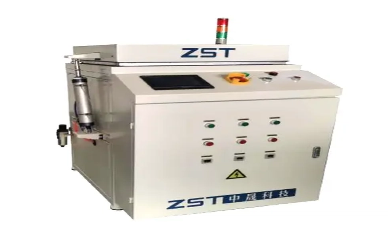
Quality of Materials and Build
1. The Importance of Using High-Quality Materials for the Laminator
High-quality materials in a solar panel laminator, such as durable heating elements, precision sensors, and strong pressure systems, ensure efficient operation, long lifespan, and reliability. Well-built laminators withstand heavy use, reducing the need for repairs and replacements. In contrast, lower-quality materials lead to faster wear, higher maintenance costs, and inconsistent performance, affecting production yields.
2. Durability and Maintenance Aspects That Can Reduce Overall Costs
Durable laminators with quality materials require fewer repairs and less frequent servicing, saving both time and money. Easy-to-maintain laminators with accessible parts reduce downtime and labor costs. Consistent performance from well-maintained equipment prevents defects that could impact product quality. Investing in durable, low-maintenance laminators can lower total ownership costs, improving long-term profitability and reducing production disruptions.
Ease of Operation and Maintenance
1.User-Friendly Features and Automation That Reduce Human Error
Laminators with automated functions, such as temperature regulation and panel loading, streamline the production process. These user-friendly features reduce human error, ensuring consistency and high-quality results. Automation also improves workflow efficiency, reduces the need for manual intervention, and speeds up training for new operators.
2.Maintenance Needs and How They Affect Factory Downtime
Easy-to-maintain laminators with accessible components minimize factory downtime. Regular maintenance, such as cleaning and part replacements, keeps the machine running smoothly. Machines with clear maintenance protocols help reduce downtime, ensuring continuous production and avoiding costly delays.
Cost vs. Value: Budget Considerations
1.Balancing Initial Investment with Long-Term Value
It’s essential to balance the initial cost of the laminator with its long-term value. High-capacity and energy-efficient laminators may have higher upfront costs but save on labor and energy bills, providing a better return on investment over time. Focusing on total cost of ownership rather than just initial price ensures a smarter financial decision.
2.How to Evaluate Cost-Effectiveness Based on Production Needs
Evaluate the laminator’s cost-effectiveness based on production volume and specific needs. For high-volume production, a higher-cost automated laminator offers greater value through increased speed and reduced labor costs. Smaller operations may find a more affordable manual laminator sufficient. Consider factors like throughput, energy efficiency, and labor savings to determine the best fit.
FAQ
1.What is the difference between automated and manual solar panel laminators?
Automated laminators are more efficient with less human intervention, ideal for high-volume production. Manual laminators are more affordable and flexible, suited for smaller operations.
2.How do I determine the ideal laminator size for my factory?
Choose a laminator that fits your production volume, panel sizes, and available space, ensuring it meets your factory’s needs without wasting resources.
3.Why is temperature control critical in laminating solar panels?
Precise temperature control ensures proper bonding and protects solar cells, impacting panel durability, performance, and lifespan.
4.Can energy-efficient laminators significantly reduce production costs?
Yes, energy-efficient laminators cut electricity usage, lowering operational costs and improving ROI over time, making them a cost-effective choice for large-scale production.
Conclusion
Choosing the right solar module laminator is crucial for optimizing production efficiency and ensuring the longevity and performance of your solar panels. Factors such as laminator type (automated vs. manual), size, temperature control, energy efficiency, material quality, ease of operation, and maintenance all play a significant role in determining the best fit for your factory. By carefully considering these elements and aligning them with your specific production needs and budget, you can make an informed decision that balances initial investment with long-term value. Whether you are a large-scale manufacturer or a smaller operation, selecting the right laminator will help you improve production consistency, reduce operational costs, and enhance the overall quality of your solar panels. Always ensure that your choice supports both your immediate manufacturing goals and future growth plans.


