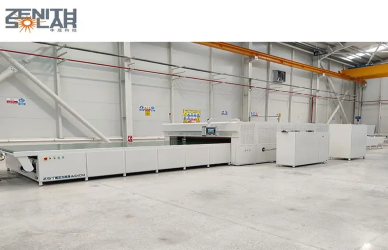
Regular maintenance is crucial for extending the lifespan of solar laminators and ensuring their consistent performance over time. As one of the most critical pieces of equipment in solar panel production, the laminator undergoes constant wear and tear, and neglecting its upkeep can lead to costly repairs, increased downtime, and a decrease in production efficiency. By performing routine maintenance tasks, manufacturers can prevent issues such as temperature inconsistencies, pressure imbalances, and mechanical failures, which can ultimately affect the quality of the solar panels. Key maintenance tasks, such as cleaning components, calibrating temperature control systems, adjusting pressure, lubricating moving parts, and keeping software up to date, are essential for maintaining the laminator’s efficiency and prolonging its operational life. Regular maintenance not only helps reduce the risk of breakdowns but also ensures that the laminator operates at peak performance, leading to higher productivity and lower operating costs.
Regular Cleaning and Maintenance of Components
1.Importance of Cleaning the Laminator Regularly to Remove Dust, Debris, and Contaminants
Regular cleaning of the solar laminator is essential to ensure its smooth operation and to prevent the buildup of dust, debris, or contaminants that can interfere with the lamination process. Dust and particles can clog critical components, affecting their performance and leading to defects in the final solar panels, such as bubbles or uneven lamination. By cleaning the laminator frequently, you reduce the risk of contamination, which not only ensures high-quality output but also helps maintain the efficiency of the equipment, extending its lifespan.
2.Cleaning Specific Components Such as Heating Elements, Pressure Rollers, and Chambers
Heating Elements: Over time, heating elements can accumulate residues or soot, which can affect their ability to heat evenly. Cleaning them ensures consistent temperature distribution during the lamination process.
Pressure Rollers: These are responsible for applying even pressure across the solar panel. Dirt or material buildup on the rollers can cause uneven pressure, leading to defects like bubbles or delamination. Regular cleaning and maintenance of pressure rollers help maintain uniform pressure.
Chambers: The lamination chambers should also be cleaned to remove any residue or particles that may cause contamination. Keeping the chambers clean ensures a smooth lamination process and minimizes defects in the final product.
Calibration and Temperature Control Systems
1.Ensuring Accurate Temperature Calibration to Prevent Overheating or Insufficient Bonding
Accurate temperature calibration is crucial for proper lamination, as both overheating and insufficient heating can cause severe defects. Overheating may damage the solar cells or cause excessive curing of the encapsulant, while inadequate heating can result in weak bonding between the layers, leading to poor performance or delamination. Regular calibration ensures that the temperature control system is functioning correctly, maintaining the ideal temperature for optimal bonding of the solar panel layers.
2.Tips for Checking and Adjusting Temperature Control Systems for Optimal Performance
Regularly Test the Thermostat: Check the laminator’s thermostat to ensure it is reading the correct temperature. A simple test can help determine if there’s a discrepancy between the desired and actual temperature.
Monitor Temperature Fluctuations: Install temperature sensors inside the chamber and monitor fluctuations during the lamination process. If there is significant variance, adjustments may be needed to stabilize the temperature.
Check the Heating Elements: Inspect the heating elements periodically for signs of wear or residue buildup that may affect their performance. Clean or replace them if necessary to maintain consistent heat distribution.
Automated Adjustments: Use automated temperature control features (if available) to make fine adjustments based on real-time feedback from the sensors, ensuring that the laminator operates within the correct temperature range.
Pressure Adjustment and Consistency
1.Importance of Maintaining Consistent Pressure Throughout the Lamination Process
Maintaining consistent pressure during the lamination process is crucial for ensuring even bonding across the entire surface of the solar panel. Uneven pressure can lead to defects such as bubbles, delamination, or weak bonding, which compromises the panel’s structural integrity and performance. Consistent pressure ensures that the encapsulant material is uniformly distributed, allowing for a strong, durable bond between the layers, which enhances the panel's longevity and efficiency.
2.Regular Checks and Adjustments to Pressure Systems to Avoid Uneven Bonding and Defects
To prevent uneven bonding and defects, it's essential to regularly inspect and adjust the laminator's pressure system. Check for signs of wear on pressure rollers, seals, and gauges. Ensure that the pressure is evenly applied across the entire panel by performing tests with uniform materials and observing the lamination results. If the pressure system is malfunctioning or inconsistent, adjustments or repairs should be made promptly to avoid defects that can impact the quality of the solar panels.
Lubrication and Mechanical Maintenance
1.Keeping Moving Parts Lubricated to Prevent Wear and Tear
Lubrication is essential for the proper functioning of moving parts in a solar laminator, such as motors, rollers, and belts. Without proper lubrication, these components can experience excessive friction, leading to wear and tear, reduced efficiency, and even mechanical failure. Regularly applying lubricant to the moving parts ensures that they operate smoothly and efficiently, reducing the risk of costly breakdowns and extending the lifespan of the laminator.
2.Routine Inspection of Mechanical Components Like Motors, Belts, and Rollers to Ensure Smooth Operation
Routine inspection of mechanical components is crucial to ensure that all parts are functioning properly and that wear or damage is detected early. Check the motors for smooth operation, inspect belts for signs of fraying or stretching, and ensure that rollers are free from debris and are aligned correctly. By identifying potential issues before they lead to major failures, manufacturers can maintain smooth operation and prevent production delays caused by mechanical malfunctions. Regular checks and maintenance of these components will ensure the laminator runs efficiently, ultimately improving the quality of the solar panels and reducing downtime.
Software and Automation System Updates
1.Importance of Keeping the Laminator’s Software and Automated Systems Up to Date
Regular software updates are essential for maintaining the laminator’s efficiency. These updates improve performance, fix bugs, and introduce new features to optimize temperature control, pressure management, and overall automation.
2.How Software Updates Can Improve Efficiency and Prevent Breakdowns
Software updates enhance efficiency by fine-tuning automated processes and improving accuracy in temperature and pressure regulation. They also help prevent breakdowns by addressing issues before they lead to system failures, reducing downtime.
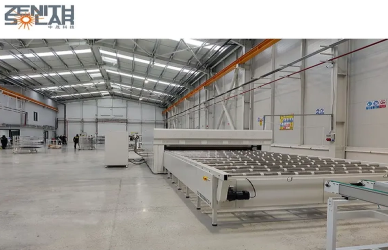
Preventive Maintenance Schedule
1.Creating a Routine Maintenance Schedule to Proactively Address Potential Issues
A preventive maintenance schedule ensures that routine tasks like cleaning, lubrication, and calibration are performed regularly. This helps identify and fix issues before they cause equipment failure, keeping the laminator running smoothly.
2.How Implementing Preventive Measures Can Avoid Costly Repairs and Downtime
Preventive maintenance reduces the risk of expensive repairs and unplanned downtime by addressing small problems early. Timely inspections and part replacements prevent major issues, ensuring consistent production and minimizing costly delays.
Troubleshooting Common Issues
1.Identifying and Resolving Common Issues Like Temperature Fluctuations, Pressure Inconsistencies, or Irregular Panel Alignment
Temperature Fluctuations: If temperature varies, check the thermostat and heating elements for malfunctions or wear. Clean or replace faulty parts to ensure consistent heat.
Pressure Inconsistencies: Uneven pressure can lead to defects. Inspect rollers, seals, and gauges, and ensure they’re aligned and clean. Adjust pressure settings for uniformity.
Irregular Panel Alignment: Misalignment can cause uneven lamination. Ensure proper panel placement, clean the guides, and recalibrate sensors to maintain correct alignment.
2.Steps to Take When Your Laminator Isn’t Performing Optimally
Visual Inspection: Look for loose parts, unusual wear, or debris.
Check Calibration: Ensure accurate temperature and pressure calibration.
Clean Components: Remove debris from heating elements, rollers, and chambers.
Inspect Mechanical Parts: Check motors, belts, and rollers for wear and replace if needed.
Consult the Manual: If issues persist, follow the troubleshooting guide or contact support.
FAQ
1.How often should I clean my solar laminator?
It’s recommended to clean your solar laminator regularly, ideally after each production cycle or at least once a week, depending on the volume of production. Frequent cleaning prevents the buildup of dust, debris, and contaminants that can affect the laminator’s performance.
2.What are the signs that my laminator needs calibration?
Signs that your laminator needs calibration include inconsistent bonding, temperature fluctuations, uneven pressure, or poor-quality panels. If you notice defects such as bubbles or delamination, it’s time to check and recalibrate the laminator.
3.How can I ensure the pressure is consistent during lamination?
To ensure consistent pressure, regularly check the pressure rollers and seals for wear, keep them clean, and calibrate the pressure system to maintain even application across the entire panel. Make adjustments as needed to ensure uniform pressure.
4.What common issues should I troubleshoot in my laminator?
Common issues to troubleshoot include temperature fluctuations, pressure inconsistencies, misalignment of panels, and mechanical problems such as worn-out rollers or motors. Regular inspection and testing can help identify and resolve these problems before they affect production.
Conclusion
To ensure the longevity and optimal performance of solar laminators, regular maintenance is essential. Key tasks such as cleaning components, calibrating temperature and pressure systems, lubricating moving parts, and keeping software up to date are all crucial for smooth operation. Implementing a proactive maintenance schedule helps identify and resolve issues early, preventing costly repairs and minimizing downtime. By focusing on these maintenance practices, manufacturers can enhance the laminator's efficiency, extend its lifespan, and reduce overall production costs, ensuring high-quality solar panel production at a lower long-term expense.


