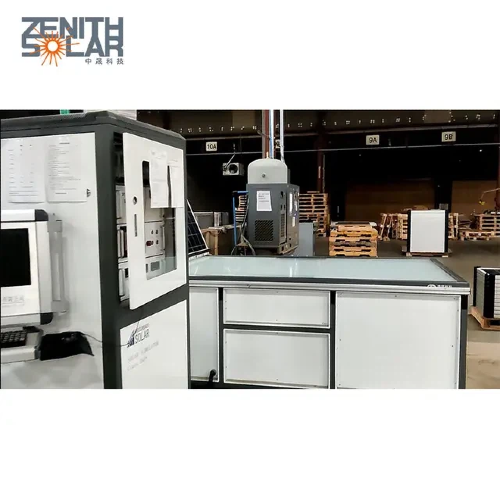
When designing a solar power system for residential, commercial, or industrial applications, selecting the right Solar Panel Simulator is essential for achieving accurate predictions, optimizing energy production, and ensuring the overall success of the project. Solar Panel Simulators are powerful tools that model and simulate the performance of solar systems based on various parameters such as geographic location, weather conditions, shading, and panel configuration. They help system designers make data-driven decisions that result in more efficient, cost-effective, and sustainable solar installations.
This guide will walk you through the key factors to consider when choosing the right Solar Panel Simulator for your needs, highlighting important features, costs, and integration options.
1. Key Considerations When Choosing a Solar Panel Simulator
Choosing the right simulator depends on several factors, including the accuracy of predictions, ease of use, system customization, and specific needs for your solar projects. Below are the most important considerations when selecting a Solar Panel Simulator.
1.1 Accuracy of Energy Output Predictions
One of the primary reasons for using a Solar Panel Simulator is to accurately forecast the energy output of a solar system. This is critical for determining system size, performance, and cost-effectiveness.
Importance of Accurate Forecasting: Accurate predictions ensure that the solar system meets energy demands without over-sizing or under-sizing, which can lead to cost inefficiencies or insufficient power generation.
Factors Affecting Accuracy: The accuracy of energy output predictions depends on several factors, including geographic location, weather patterns, and panel orientation. A high-quality simulator should be able to account for these variables and simulate real-world conditions.
Choosing a Simulator with High Accuracy: Look for a Solar Panel Simulator that provides detailed modeling based on geographic data, historical weather trends, and local conditions. It should offer a wide range of customization options to fine-tune the system design.
1.2 Ease of Use and User Interface
The usability of a Solar Panel Simulator can make or break the effectiveness of your solar system design process. An intuitive user interface ensures that both engineers and non-experts can efficiently use the tool.
User-Friendliness: A simulator with a simple, well-designed interface allows users to navigate easily and perform tasks without extensive training. For businesses and smaller teams, simplicity and ease of use are key.
Ease of Integration with Existing Tools: The simulator should work well alongside other design software tools commonly used in solar system engineering, such as AutoCAD or PVsyst, enabling a seamless workflow for system designers.
1.3 Customization and Flexibility
The Solar Panel Simulator should provide the flexibility to customize the design based on specific project requirements, such as varying environmental conditions, system types, and energy output goals.
Tailoring Designs to Specific Needs: Choose a simulator that allows you to modify key parameters such as panel type, tilt angle, orientation, and shading analysis. This ensures that your design can be optimized for maximum energy generation.
Flexibility for Different Solar Projects: The simulator should be able to handle both residential and large-scale commercial projects, making it a versatile tool for businesses that work across various types of solar installations.
2. Features to Look for in a Solar Panel Simulator
When evaluating a Solar Panel Simulator, there are several features that can significantly enhance the design, performance, and overall efficiency of solar systems. Here’s what to look for:
2.1 Simulation of Different System Configurations
Different projects require different configurations, and a good Solar Panel Simulator should allow you to test a wide variety of setups.
Panel Type Selection: The simulator should let you experiment with different solar panel models from various manufacturers, as each type of panel has unique performance characteristics.
Tilt Angle and Orientation Adjustments: The ability to adjust panel tilt and orientation helps simulate how different layouts affect the energy production of a system. The tool should allow you to explore optimal configurations for maximizing efficiency.
2.2 Performance Under Different Weather Conditions
A high-quality Solar Panel Simulator should be able to simulate how the system will perform under varying weather conditions and environmental scenarios.
Simulating Various Environmental Scenarios: Weather factors like cloud cover, temperature, and rainfall can affect solar panel performance. A simulator should be able to model how the system will generate power across different seasons and weather patterns.
Shading Analysis: The simulator should include shading analysis to model the effects of shading from nearby structures, trees, or other obstacles. Shading reduces panel efficiency, and the simulator should help avoid poor panel placement.
2.3 Financial and Economic Analysis
Beyond technical performance, Solar Panel Simulators should provide valuable insights into the financial implications of a solar project.
Cost Optimization Features: Look for simulators that assist in determining the most cost-effective design. This includes optimizing the number of panels, inverters, and wiring needed to achieve the desired energy production at the lowest cost.
ROI and Payback Period Estimates: The simulator should offer tools to predict the return on investment (ROI), savings on energy bills, and the system’s payback period. This is crucial for businesses and developers who need to justify their investment.
2.4 Reporting and Visualization Tools
The ability to visualize system performance and generate detailed reports is an important feature of a Solar Panel Simulator.
Data-Driven Insights: A good simulator should generate clear and concise reports that provide insights into energy production, system efficiency, and cost savings. These reports should be easy to interpret and share with stakeholders.
Visualization for Stakeholders: Visualization tools that show how the system will look once installed can be particularly useful for presenting to clients or investors. This makes the design more tangible and easy to understand.
3. Cost and Licensing Considerations
3.1 Understanding the Pricing Models
The pricing model for a Solar Panel Simulator can vary greatly depending on the features, licensing options, and the scale of use.
One-Time Purchase vs. Subscription Models: Some simulators are available for a one-time purchase, while others operate on a subscription-based model. Choose a model that aligns with the duration and frequency of your project needs.
License Flexibility: If your team is likely to use the simulator for multiple projects, look for a simulator that offers flexible licensing options, such as multi-user or enterprise licenses.
3.2 Value for Money
The cost of the Solar Panel Simulator should provide value relative to its feature set.
Feature Set vs. Cost: Compare the features included in the simulator with its price to ensure that the tool offers good value for your needs. For example, if you only need basic simulations for residential projects, a less expensive tool may be sufficient.
Long-Term Value: A high-quality simulator can be an investment that continues to pay off over time. Choose a simulator that can scale with your business and adapt to future needs, such as integrating new technologies or solar panel models.
4. Support, Training, and Community Resources
4.1 Customer Support and Training
Good customer support and training are essential for getting the most out of your Solar Panel Simulator.
Quality of Support: Look for a simulator provider that offers responsive and knowledgeable customer service. Support should be available through multiple channels, such as phone, email, or live chat.
Training and Tutorials: Many providers offer comprehensive tutorials, training materials, and even workshops to help users master the software. This can be a valuable resource, especially for those new to solar energy design.
4.2 User Community and Resources
A strong community of users and a well-maintained knowledge base can greatly enhance the value of a Solar Panel Simulator.
Community Engagement: A large and active user community provides a valuable resource for troubleshooting, tips, and best practices.
Documentation and Knowledge Base: Ensure that the simulator provider offers extensive documentation and a robust knowledge base to assist with any questions you may have.
5. Compatibility and Integration with Other Tools
5.1 Compatibility with Solar Design Software
For seamless workflow integration, ensure that the Solar Panel Simulator is compatible with other design tools that you use.
Integration with Existing Tools: The simulator should integrate smoothly with commonly used software tools such as AutoCAD, SketchUp, or PVsyst, enabling designers to incorporate the simulator’s data into their overall design plans.
Data Export and Import Options: The ability to export simulation results in common file formats (e.g., CSV, Excel, PDF) is important for reporting and sharing insights with stakeholders.
5.2 Integration with Monitoring and Maintenance Tools
The best Solar Panel Simulators allow for post-installation monitoring and maintenance tracking.
Linking to Performance Monitoring Systems: Ensure that the simulator allows integration with performance monitoring systems, so you can track how the system performs over time and adjust maintenance schedules accordingly.
System Upgrades: Choose a simulator that can evolve with your needs, incorporating new technologies or panel types as the solar industry continues to innovate.
6. Additional Considerations
6.1 Industry Standards and Certifications
Make sure the Solar Panel Simulator meets industry standards and certifications to ensure it delivers reliable and accurate results.
Compliance with Industry Standards: A reputable simulator should adhere to local or international standards for solar system performance and modeling. Look for certifications from recognized industry bodies or standards organizations.
Certifications and Testing: Some simulators undergo third-party testing to validate their accuracy and reliability. Consider tools that have been certified or tested by recognized solar industry authorities.
6.2 Reviews and Testimonials
Before committing to a Solar Panel Simulator, research the experiences of other users to ensure its reliability.
User Feedback: Check online reviews and testimonials from other users to see how the simulator has worked in real-world applications. Reviews can provide valuable insight into the simulator’s ease of use, accuracy, and overall performance.
Case Studies: Case studies demonstrate how the simulator has been successfully applied in solar projects of various scales. These can help you assess whether the tool meets your specific needs.
7. Conclusion
Choosing the right Solar Panel Simulator is essential for the success of any solar installation project. By carefully considering factors such as accuracy, features, cost, customer support, and compatibility with other design tools, you can select a simulator that best meets your specific needs. A well-chosen simulator not only optimizes system performance but also reduces costs and enhances the overall efficiency of solar power systems, making it an invaluable tool for both small and large-scale projects.
For businesses seeking to implement highly efficient and cost-effective solar solutions, Qinhuangdao ZENITHSOLAR Technological Co., Ltd. offers cutting-edge solar technology and expert guidance. Their expertise in solar system design and optimization ensures that you choose the right tools and strategies for your projects, helping you maximize energy production while minimizing costs. Whether you're working on residential or commercial solar installations, their team is ready to assist you in achieving your energy goals. Reach out today to explore how ZENITHSOLAR can support your next solar project and help you make the most of solar energy.
8. FAQ
Q1: How do I know if a Solar Panel Simulator is accurate enough for my needs?
A1: Look for simulators that take into account a wide range of environmental factors like shading, temperature fluctuations, and geographical data. You can also verify accuracy through user reviews or case studies that demonstrate the tool’s effectiveness in real-world projects.
Q2: Are Solar Panel Simulators easy to use for beginners?
A2: Many simulators come with intuitive interfaces and provide training materials or tutorials to help beginners get started. Choose one with a user-friendly design if you’re new to solar energy systems.
Q3: How can a Solar Panel Simulator save me money?
A3: By helping you design more efficient solar systems, a simulator ensures you don’t oversize the system or purchase unnecessary components, thus reducing upfront costs. It can also predict ROI and payback periods, helping you justify your investment.
Q4: Can a Solar Panel Simulator help with both residential and commercial projects?
A4: Yes, many simulators are versatile and can handle both residential and commercial projects. Look for one that allows for scalable configurations and can be customized for different system types.
Q5: What makes a Solar Panel Simulator a good investment?
A5: A good investment simulator is one that delivers accurate predictions, offers advanced features for system optimization, provides financial projections, and integrates well with other design tools.


