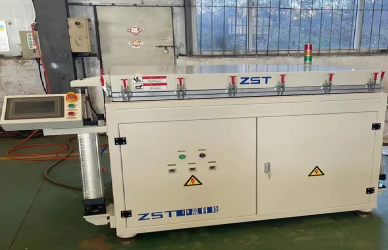
Lamination is a critical step in solar panel manufacturing, as it ensures that the solar cells are securely encapsulated between layers of protective material, providing durability and long-lasting performance. The lamination process is crucial for protecting the solar cells from environmental factors such as moisture, UV rays, and mechanical stress. However, common issues like bubbles and delamination can significantly impact the quality and efficiency of the panels. Bubbles, which form when air becomes trapped between the layers, and delamination, which occurs when the layers separate, can lead to reduced performance, shorter lifespan, and even complete failure of the panels. Understanding and addressing these issues is vital for ensuring the production of high-quality, reliable solar panels.
Understanding Bubbles and Delamination
1.What are Bubbles and Delamination in Solar Panels?
Bubbles: Bubbles occur when air or gas gets trapped between the layers of the solar panel during the lamination process. This can lead to unsightly imperfections on the panel’s surface.
Delamination: Delamination refers to the separation of the layers in the solar panel, usually between the encapsulant, solar cells, and backsheet. This can occur over time due to poor adhesion, moisture infiltration, or mechanical stress.
2.How These Issues Impact Performance and Longevity
Bubbles can impair the efficiency of the solar panel by blocking light from reaching the solar cells, leading to reduced energy output. Over time, trapped moisture within the bubbles can also damage the solar cells.
Delamination compromises the structural integrity of the panel, allowing moisture and air to enter, which can lead to further degradation, corrosion of the cells, and potential failure of the entire panel. This significantly shortens the lifespan of the panel and reduces its energy efficiency.
Causes of Bubbles and Delamination
1.Improper Temperature or Pressure During Lamination
Incorrect temperature or pressure during the lamination process can lead to uneven bonding of the layers. If the temperature is too high or low, it can cause the encapsulant to either burn or fail to bond properly, resulting in trapped air (bubbles) or weak adhesion that may lead to delamination.
2.Poor Quality of Materials or Contamination
Using low-quality materials, such as poor-quality encapsulants or backsheets, can increase the likelihood of bubbles and delamination. Contaminants like dust, moisture, or oils can also interfere with proper bonding during lamination, leaving the panels vulnerable to these issues.
3.Inconsistent Handling During Panel Preparation
Handling panels improperly during preparation, such as placing them unevenly or contaminating the surface, can cause misalignment or air pockets. This can lead to bubbles forming during lamination. Additionally, inconsistent handling during the curing or cooling phases can contribute to delamination by disturbing the adhesion between layers.
Key Techniques to Avoid Bubbles and Delamination
1.Temperature Control: Maintaining Optimal Heat for Uniform Bonding
Maintaining the correct temperature during lamination is crucial for ensuring uniform bonding across the entire panel. The encapsulant material needs to melt at the right temperature to ensure a smooth, uniform layer without creating air pockets. Too high a temperature can cause thermal degradation of materials, while too low can result in incomplete bonding. Using advanced temperature control systems ensures consistent heat throughout the process, helping to prevent both bubbles and delamination.
2.Pressure Application: Ensuring Even and Consistent Pressure Across the Entire Panel
Even pressure is essential for a consistent lamination process. Uneven pressure can cause air pockets, leading to bubbles, or result in areas where the layers don’t bond properly, leading to delamination. A laminator must apply consistent, uniform pressure across the entire surface of the panel to ensure that the encapsulant adheres evenly and the layers fuse properly, preventing air gaps and improving the overall panel strength.
3.Material Quality: Using High-Quality, Clean Materials to Reduce Defects
The quality of the materials used in solar panels, such as the encapsulant, glass, and backsheet, plays a significant role in preventing bubbles and delamination. High-quality materials are more durable, have better adhesion properties, and are less likely to introduce contaminants that could interfere with the bonding process. Additionally, using clean materials free from dust, moisture, or oils reduces the risk of defects during the lamination process.
4.Proper Panel Handling: Avoiding Contamination and Improper Placement Before Lamination
Proper handling of solar panels before lamination is essential to avoid contamination and ensure correct placement. Dust, moisture, or oils from handling can introduce defects, leading to bubbles or delamination. Panels should be carefully cleaned and aligned before entering the laminator to ensure that no foreign particles or misalignment interfere with the lamination process.
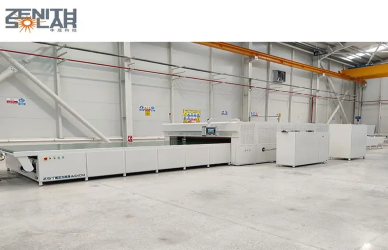
Choosing the Right Laminator
1.How Selecting the Right Laminator Can Prevent These Issues
Selecting the right laminator is critical in ensuring high-quality lamination and preventing issues like bubbles and delamination. A laminator that offers precise temperature control, consistent pressure application, and automated features will ensure that the entire lamination process is smooth and efficient, reducing the chances of defects.
2.Features to Look for in a Laminator: Temperature Control, Pressure Consistency, and Automation
When choosing a laminator, look for machines equipped with:
Temperature Control: Advanced temperature regulation systems that can maintain consistent heat throughout the lamination process to prevent thermal degradation or inadequate bonding.
Pressure Consistency: Laminators with uniform pressure application mechanisms to ensure that the pressure is distributed evenly across the entire panel, avoiding air pockets and ensuring strong layer adhesion.
Automation: Automated laminators offer higher precision and consistency, reducing human error and improving overall efficiency, which is essential for preventing defects like bubbles and delamination. Automated features can also help streamline the process, improving throughput without compromising quality.
Testing and Quality Control Post-Lamination
1.The Importance of Testing for Defects After Lamination
Testing for defects after the lamination process is crucial to ensuring that the solar panels meet the required quality standards before they are finalized and shipped. Bubbles, delamination, or other defects that may not have been visible during the production process can compromise the panel’s performance, efficiency, and longevity. Rigorous post-lamination testing helps identify these issues early, preventing costly returns, repairs, and quality issues in the field. Ensuring the panels are defect-free enhances their durability and functionality, making testing an essential step in quality control.
2.Methods for Detecting Bubbles and Delamination Before Finalizing Production
Several methods can be employed to detect bubbles and delamination after lamination:
Visual Inspection: A simple but effective method for detecting visible bubbles and delamination on the panel surface. This method allows operators to catch obvious defects, though it may not reveal issues within the layers.
Ultrasound Testing: Ultrasound technology can be used to detect delamination between layers by sending high-frequency sound waves through the panel. Variations in sound waves can indicate areas where the layers are not properly bonded, revealing delamination that is not visible on the surface.
Thermal Imaging: Using infrared cameras, manufacturers can identify temperature variations on the panel surface. Areas with bubbles or delamination may show different thermal patterns, making this a useful tool for detecting internal defects without damaging the panels.
Electrical Testing: By testing the electrical properties of the solar panel, such as voltage and current output, manufacturers can assess if any internal defects, such as those caused by bubbles or delamination, are affecting panel performance. Reduced efficiency in the electrical output can indicate hidden issues.
FAQ
1.What are the common causes of bubbles and delamination in solar panels?
Common causes include improper temperature or pressure during lamination, poor-quality materials, contamination, and inconsistent handling during panel preparation. If the laminator’s temperature or pressure isn’t calibrated properly, it can lead to air pockets or weak bonding, causing bubbles and delamination.
2.How can I maintain consistent temperature and pressure during lamination?
Use laminators with advanced temperature control systems and uniform pressure application mechanisms. Regular maintenance and calibration of equipment are essential to ensure that the heat is evenly distributed and the pressure remains consistent across the panel’s surface throughout the lamination process.
3.What materials should be avoided to reduce the risk of delamination?
Avoid low-quality encapsulants, backsheets, and glass that can fail to bond properly. Contaminated or damaged materials, such as those with dust, moisture, or oils, should also be replaced to ensure a proper bond during lamination, reducing the risk of delamination over time.
4.What tests can be done to check for bubbles and delamination after lamination?
Methods include visual inspection for visible defects, ultrasound testing for internal delamination, thermal imaging to detect temperature variations, and electrical testing to assess panel performance. These tests help identify potential issues early, ensuring the panels meet quality standards before being finalized for production.
Conclusion
In conclusion, avoiding bubbles and delamination in the solar panel lamination process requires careful attention to several critical steps. Maintaining optimal temperature control, ensuring consistent pressure, using high-quality materials, and handling panels properly before lamination are all essential techniques to prevent defects. Additionally, selecting the right laminator with precise temperature control, consistent pressure application, and automation features is key to ensuring a flawless lamination process. Post-lamination testing, such as visual inspection, ultrasound, and thermal imaging, further helps identify defects before finalizing production. By focusing on these factors, manufacturers can ensure the production of high-quality, durable solar panels that perform reliably over time, ultimately enhancing both efficiency and customer satisfaction.


